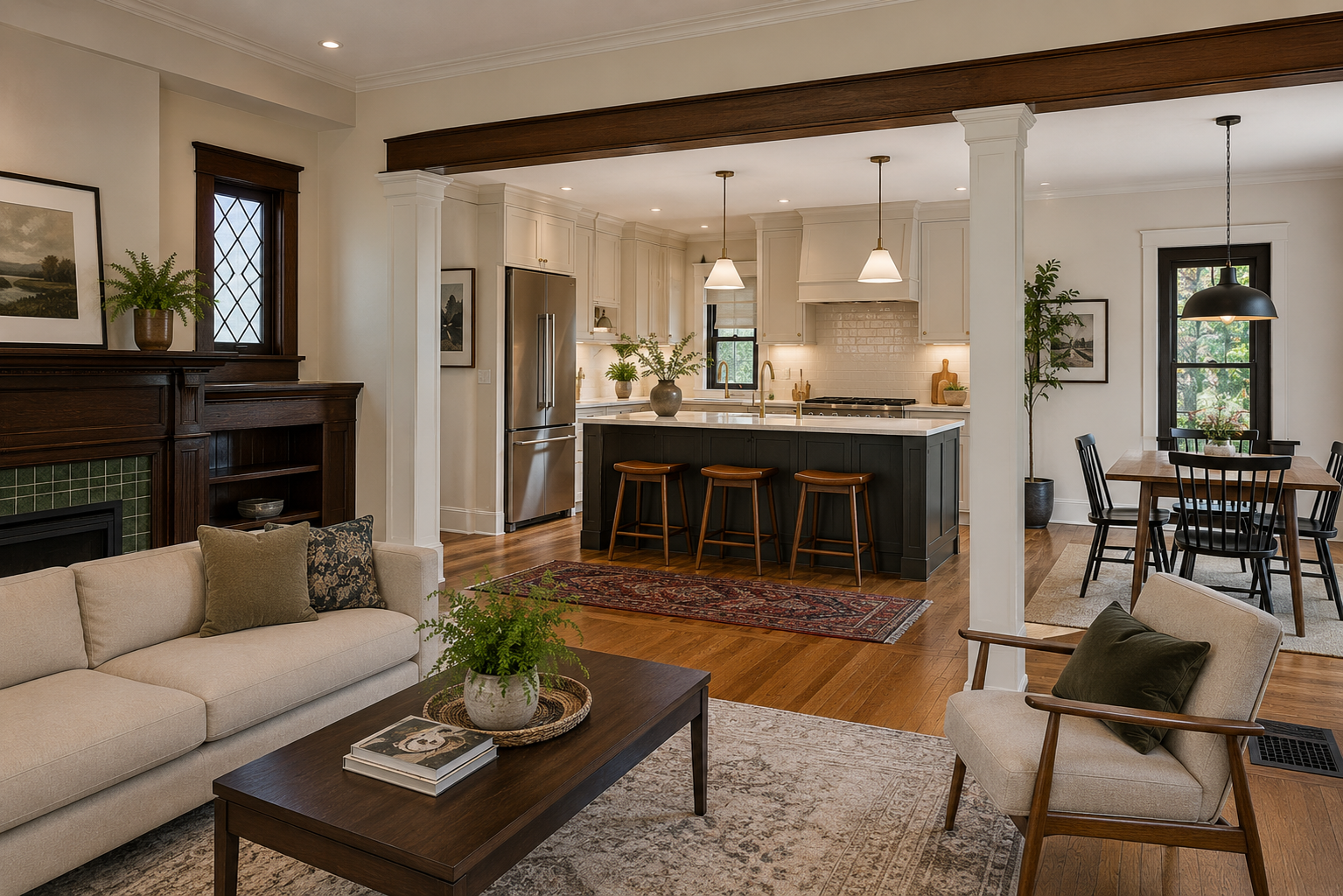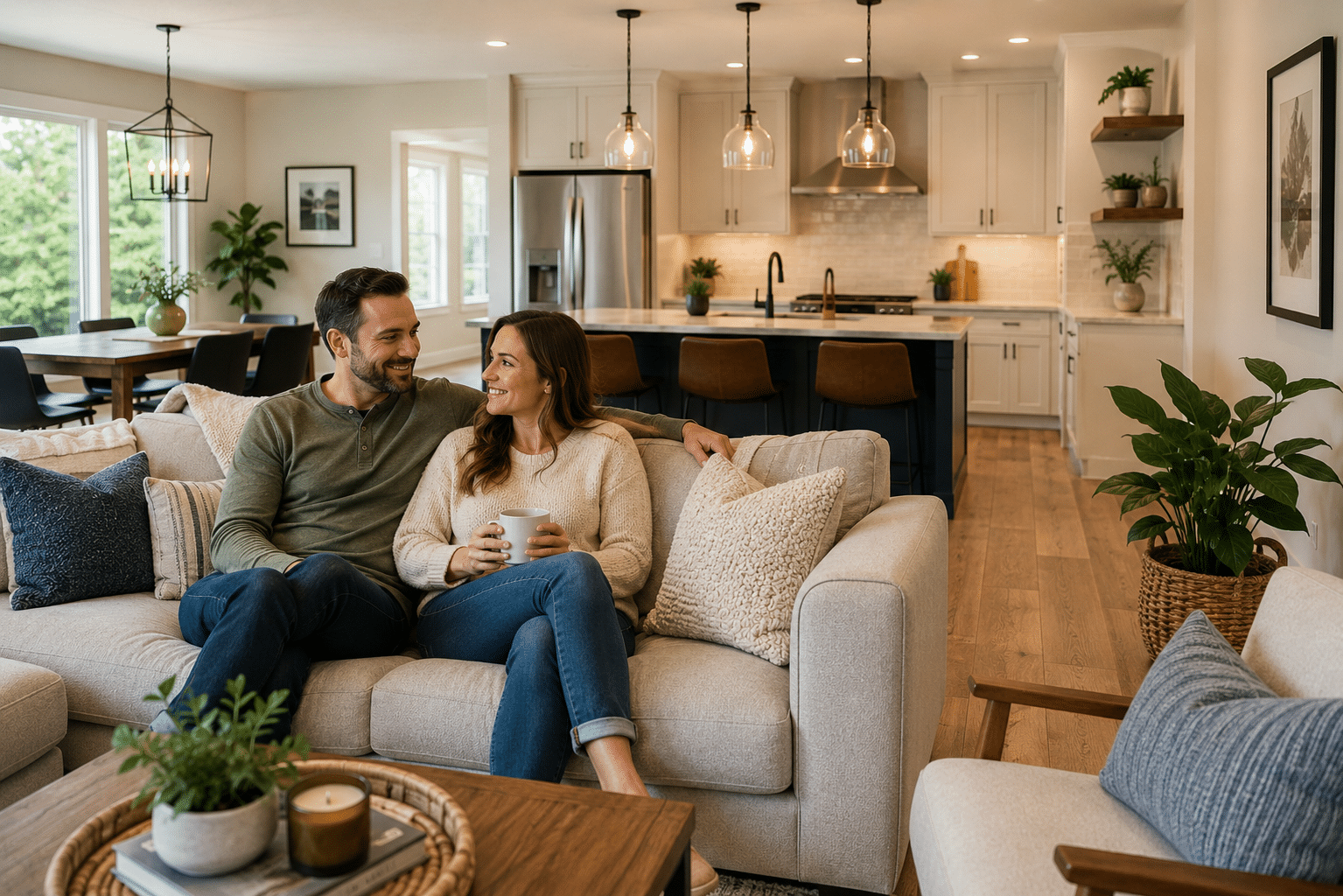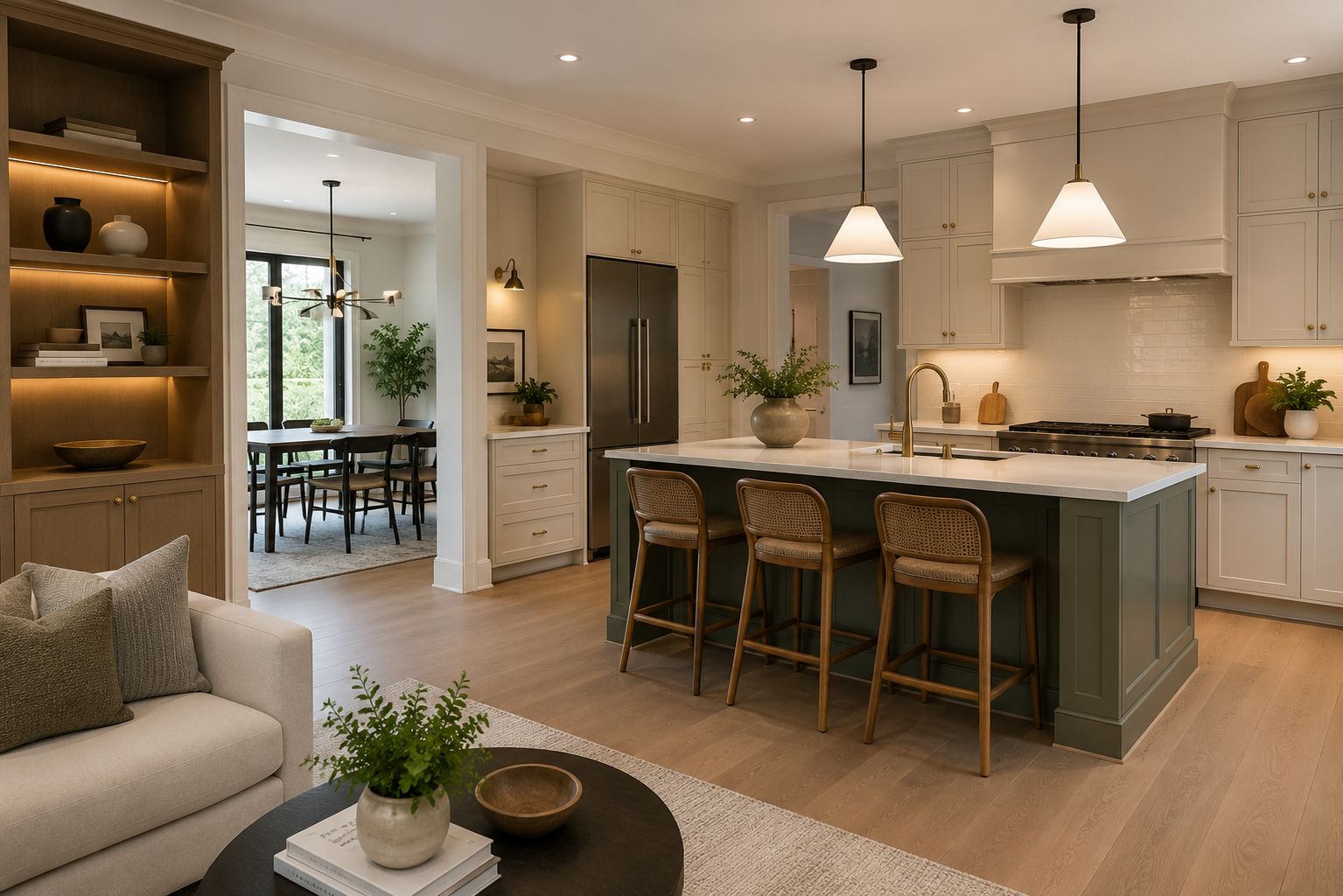
A high-end renovation is not defined by how many current design trends appear in the finished space. It is defined by how well the individual decisions work together.
When a renovation feels refined, there is usually a clear relationship between the layout, materials, lighting, finishes and workmanship. Nothing needs to demand attention on its own. Instead, the entire interior feels considered, comfortable and complete.
This distinction matters because trends can influence individual choices without determining the quality of the renovation. A fashionable fixture or popular finish may look appealing, but it cannot compensate for an awkward layout, inconsistent materials or poorly executed details.
Start With Layout and Proportion
Good renovation work begins before finishes are selected. Room proportions, furniture placement, circulation and the relationship between adjoining spaces all affect how the finished home feels.
A thoughtful layout can make an interior feel more comfortable without necessarily making it larger. Doorways can align more naturally with how people move through the home. Built-ins can fit the scale of a room instead of overwhelming it. Kitchen islands, cabinetry and furniture zones can be proportioned so there is enough space to move comfortably around them.
This is one reason thoughtfully planned interior renovations should consider the home as a complete environment rather than treating every room and design decision separately.
The goal is not simply to fit more features into the available space. It is to determine which features belong there and how they should relate to everything around them.
Keep Materials and Finishes Connected
A renovation does not need identical finishes in every room. In fact, some variation can help individual spaces develop their own character. The important consideration is whether those materials have a clear relationship to one another.
Flooring, cabinetry, countertops, hardware, trim and paint colours should create enough consistency that moving through the home feels natural. That may mean repeating certain colours or materials, maintaining similar trim details, or selecting finishes with complementary undertones.
This becomes especially noticeable in kitchen renovation projects, where several materials often meet within a relatively small area. Cabinetry, flooring, countertops, backsplash, hardware and lighting all need to coexist.
When those choices are considered together, the kitchen can feel integrated with the surrounding home rather than appearing as a separate design statement.
Plan Lighting as Part of the Renovation
Lighting has a significant effect on perceived quality. A fashionable fixture cannot compensate for poor placement, inadequate task lighting or rooms with uneven illumination.
A well-planned approach considers how different types of lighting work together. General lighting provides comfortable overall illumination, while task lighting supports activities such as cooking, reading or working. More focused lighting can draw attention to architectural details, cabinetry or other important elements.
Placement matters as much as fixture selection. Lighting should relate to cabinetry, furniture, work surfaces and circulation rather than being positioned without considering how the finished room will function.
Natural light also deserves consideration. Interior finishes can look different throughout the day depending on window placement, exposure and surrounding colours. Evaluating these relationships during planning can create a more consistent finished result.
Use Millwork to Improve Appearance and Function
Well-executed millwork can give an interior a sense of permanence because it feels connected to the architecture rather than added afterward.
Built-in storage is a good example. When cabinetry fits the proportions of a wall, aligns properly with surrounding trim and serves a practical purpose, it can improve both the appearance and function of the room.
The same principle applies to baseboards, casings, wall details and other finished carpentry. More detail is not automatically better. Simple millwork installed carefully and proportioned appropriately can contribute more to the finished renovation than elaborate details that do not suit the home.
Create Clean Transitions Between Spaces
Some of the most important renovation details occur where one material or room meets another.
Flooring transitions, doorways, trim connections, cabinetry edges and changes between painted and tiled surfaces may not be the first features homeowners notice. However, these areas strongly influence whether a renovation feels coordinated.
Consider adjoining rooms with different flooring materials. A clean, deliberately positioned transition can make the change feel natural. An awkward transition in the middle of a visible area can have the opposite effect, even when both flooring products are high quality.
The same is true when renovated spaces connect with existing areas of the home. Thoughtful decisions about trim, flooring, colour and sightlines can help the new work belong within the broader interior.
Quality Workmanship Brings the Design Together
Good materials still depend on good installation. Straight lines, consistent spacing, properly fitted trim and carefully finished surfaces contribute significantly to the overall impression of quality.
These details are also experienced every day. Cabinet doors need to align and operate properly. Trim joints should be clean. Tile layouts should look intentional. Flooring should meet surrounding surfaces neatly.
Individual imperfections can seem small, but their cumulative effect is noticeable. Careful workmanship allows the design itself to remain the focus instead of drawing attention to installation issues.
This is also why expensive materials do not automatically produce a better renovation. A modest material installed with care and used appropriately can contribute more to a cohesive interior than a costly product that has been poorly selected or fitted.
Choose Features Intentionally, Not Automatically
Trends can provide useful inspiration. They can introduce new materials, layouts and practical ideas that homeowners may not have considered before.
The problem comes when trends become a checklist.
A feature should earn its place by supporting the architecture of the home, the surrounding materials or the way the homeowner expects to use the space. An open shelf, oversized island, statement light or particular cabinet style may work extremely well in one renovation and feel unnecessary in another.
Considering each choice in context helps prevent the renovation from becoming a collection of unrelated features.
Design for the Home and the People Living in It
A cohesive renovation should respond to the existing home as well as the people who live there. Ceiling heights, window locations, architectural details and connections between rooms all provide useful direction.
Daily routines matter too. Storage should be located where it is useful. Lighting should support actual activities. Surfaces should suit how spaces are used and maintained.
These practical decisions are part of what makes a renovation feel high-end. When the interior functions naturally, homeowners are less likely to notice compromises or design decisions that work against their routines.
Ultimately, perceived quality comes from the relationship between planning, materials, details and workmanship. A renovation does not need every current feature to feel refined. It needs clear decisions that make sense together and careful execution that carries those decisions through to the finished space.
Homeowners considering an interior renovation in Southern Ontario can request a free in-home estimate from Rob’s Quality Construction to discuss how thoughtful planning, cohesive materials and quality workmanship can come together in their home.
continue reading
Related Posts

Many older homes have qualities that homeowners value, from established [...]
-
Every successful home renovation begins with a plan. While it’s [...]
-
Many homeowners begin renovations focused on immediate goals like updating [...]