Every successful home renovation begins with a plan. While it’s easy to become excited about paint colours, new flooring, or the latest design inspiration, taking the time to organize your priorities before meeting with a contractor can make the entire renovation process more productive.
A renovation wish list helps transform ideas into practical goals. Rather than creating a random collection of upgrades, it allows you to focus on improvements that will have the greatest impact on your home’s functionality, comfort, and long-term value. Whether you’re renovating one room or planning a larger project, a thoughtful wish list provides a strong foundation for making informed decisions.
If you’re considering whole-home renovation planning, investing time in this planning stage can help ensure every improvement supports your family’s lifestyle and future goals.
Start by Identifying Everyday Frustrations
The most effective renovation wish lists begin with the problems you experience every day. Instead of asking what would look nice, ask yourself what doesn’t work.
Perhaps your family gathers in a kitchen that feels cramped during meal preparation. Maybe there isn’t enough storage, the lighting is poor, or traffic flow creates congestion during busy mornings. In other areas of the home, you may notice outdated finishes, limited functionality, or rooms that no longer reflect how your family lives today.
By identifying these daily frustrations first, your renovation becomes focused on solving real problems instead of simply updating appearances.
Think About How You Live
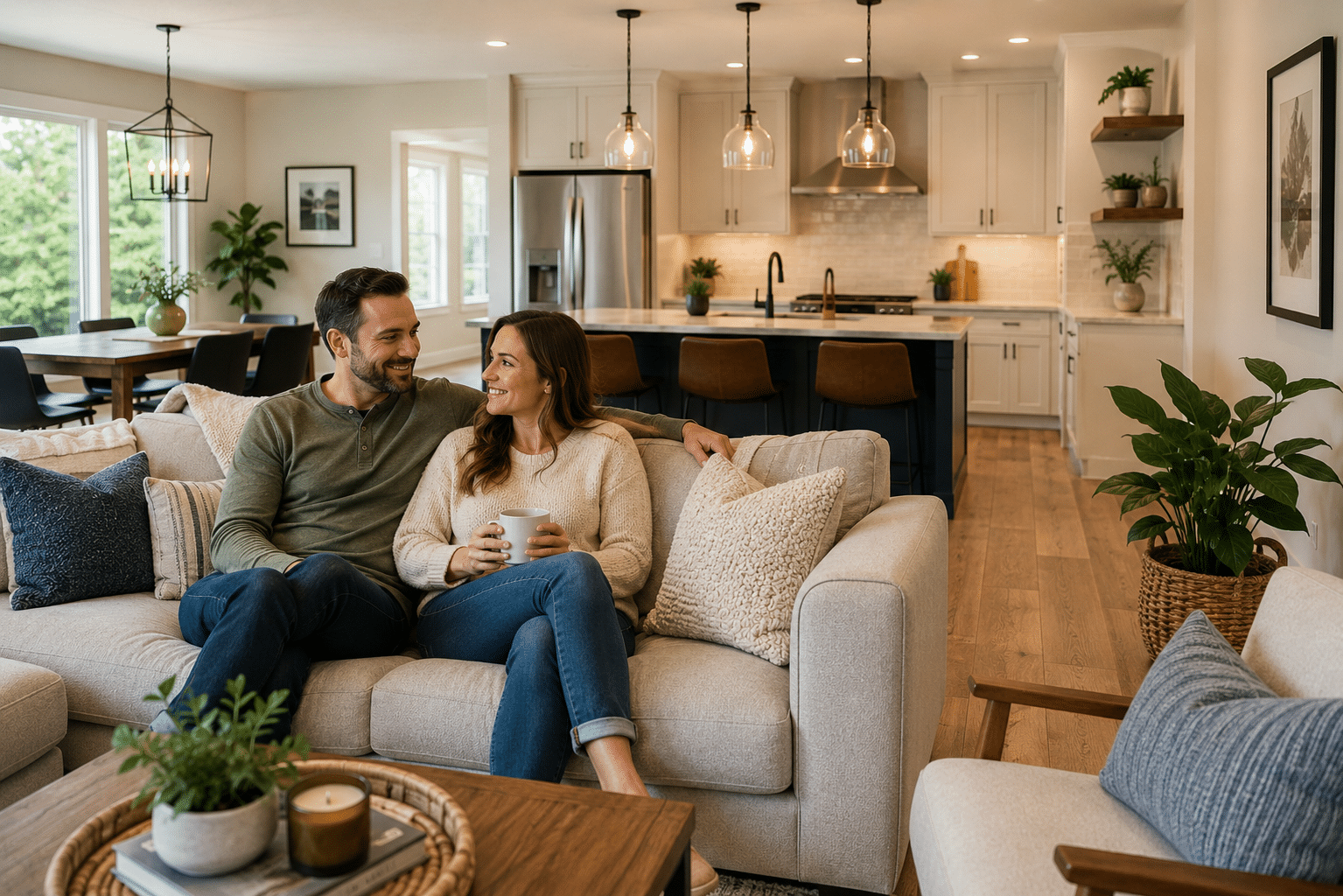
Every household uses its home differently. Families with young children often have different priorities than empty nesters or homeowners planning to age in place. A renovation should reflect the way you actually use your home rather than following popular trends.
Think about questions such as:
- Which room do we spend the most time in?
- What tasks feel inconvenient every day?
- Where do we need additional storage?
- Are there areas that no longer meet our family’s needs?
- Will our lifestyle likely change over the next five to ten years?
Answering these questions helps establish priorities that remain valuable long after the renovation is complete.
Separate Must-Haves From Nice-to-Haves
One of the simplest ways to create a practical renovation plan is by dividing your ideas into two categories.
Must-haves include improvements that solve functional issues, improve safety, increase efficiency, or address ongoing frustrations. These are the features that should remain priorities regardless of budget adjustments.
Nice-to-haves are upgrades that enhance the finished space but are not essential. Decorative lighting, premium finishes, or specialty features may still be worthwhile investments, but they can be adjusted if necessary without compromising the overall success of the renovation.
This approach also makes conversations with your contractor much easier, since everyone understands which goals are most important.
Consider How Rooms Work Together
Although many renovations begin with one room, homeowners often discover opportunities to improve the overall flow of their home.
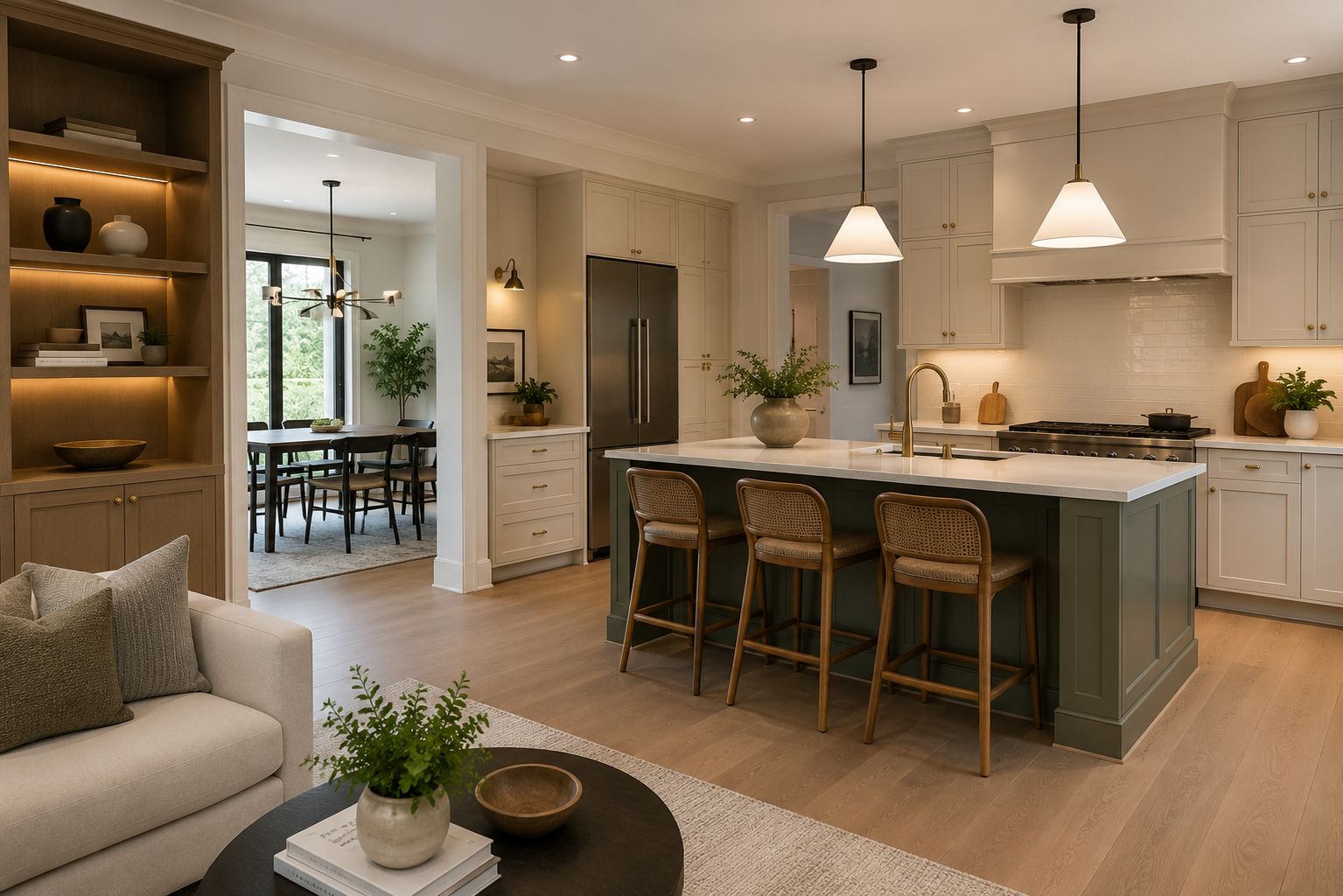
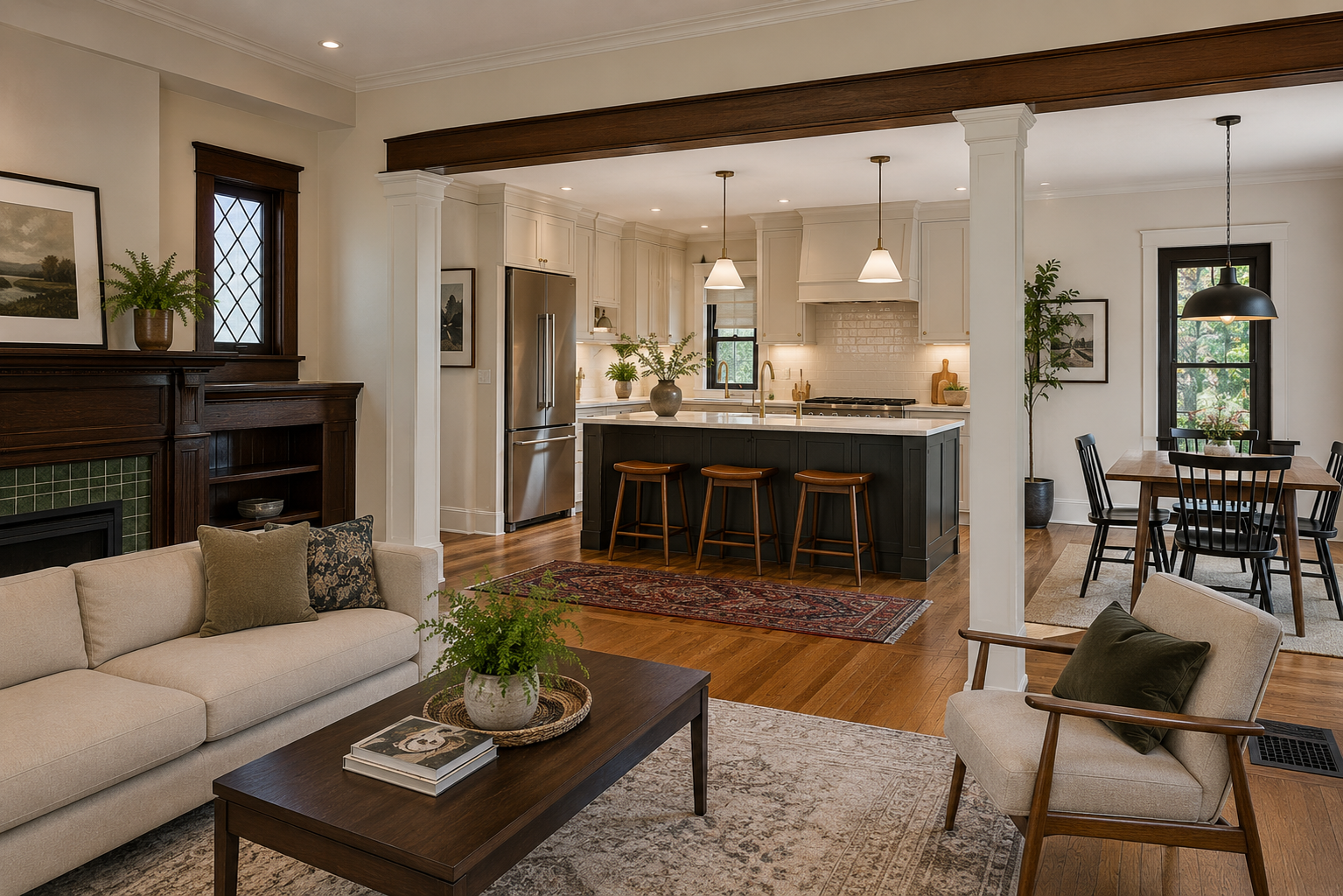
For example, a kitchen renovation may influence adjacent dining areas, entryways, or family rooms. Creating a cohesive design throughout connected spaces often delivers a more polished final result while improving everyday functionality.
When discussing kitchen renovation services, it is helpful to think beyond cabinetry and countertops. Storage, traffic flow, lighting, and connections to nearby living spaces all contribute to how well the room supports daily life.
Similarly, if future renovations are being considered, coordinating timelines and finishes can reduce disruption and create greater consistency throughout the home.
Plan for the Future, Not Just Today
A renovation is a long-term investment. While it should address your current needs, it is equally important to consider how your household may change in the coming years.
Children grow older, work-from-home arrangements evolve, and accessibility needs may become more important over time. Flexible layouts, durable materials, quality storage, and adaptable spaces often provide greater value than features designed around short-term trends.
Planning with the future in mind helps ensure your renovation continues to serve your family well for many years.
Establish a Realistic Budget
Creating a wish list is not about eliminating ideas. Instead, it provides a framework for making informed financial decisions.
Once your priorities are organized, your contractor can help determine where your investment will have the greatest impact. Sometimes a modest adjustment to the design can improve functionality while staying within budget. Other times, it may make sense to complete improvements in carefully planned phases.
Having clearly defined priorities allows these decisions to be made confidently without losing sight of your overall goals.
Don’t Overlook Bathrooms and Other Living Spaces
While kitchens often receive the most attention, bathrooms and other frequently used areas deserve equal consideration during the planning process.
Updating bathroom remodeling solutions alongside other interior renovations can improve both convenience and consistency throughout the home. Coordinating materials, finishes, and fixtures across multiple spaces often creates a more unified appearance while making the renovation process more efficient.
Considering the home as a whole also reduces the risk of making design choices that feel disconnected as future projects are completed.
Choose a Contractor Who Values Planning
The planning stage is where experienced renovation professionals provide tremendous value. A knowledgeable contractor can help prioritize ideas, identify practical alternatives, recommend durable materials, and explain how different decisions affect both functionality and budget.
Rather than simply pricing a list of requested upgrades, a planning-focused contractor works collaboratively to ensure the finished renovation supports your long-term goals.
Many homeowners also appreciate reviewing independent customer feedback before making their decision. Rob’s Quality Construction’s TrustedPros profile offers third-party reviews that demonstrate the company’s commitment to craftsmanship, professionalism, and customer satisfaction.
Turn Your Ideas Into a Practical Renovation Plan
A well-organized renovation wish list provides clarity before construction begins. By identifying daily challenges, separating priorities, planning for future needs, and working with an experienced renovation partner, homeowners can approach their project with greater confidence and realistic expectations.
If you’re ready to organize your renovation ideas and create a plan that fits your home and lifestyle, book your free in-home estimate with Rob’s Quality Construction and start building a renovation plan that delivers lasting value.
continue reading
Related Posts

A high-end renovation is not defined by how many current [...]
-
Many older homes have qualities that homeowners value, from established [...]
-
Many homeowners begin renovations focused on immediate goals like updating [...]