Updating a home can be exciting, but it can also feel overwhelming. Many homeowners know they want improvements, yet they are unsure which projects should come first. Kitchens, bathrooms, basements, and layout updates may all be on the list, but tackling everything at once is rarely practical.
A clear renovation plan helps homeowners focus on the upgrades that will have the greatest impact on comfort, functionality, and daily living. By taking a thoughtful approach to prioritization, projects can be completed in a logical order that supports long term usability. For homeowners working with Rob’s Quality Construction, this planning stage is often where the most valuable insights begin.
Start With How You Use Your Home
The first step in prioritizing renovations is understanding how each part of your home supports your daily routines. Every household uses spaces differently, and renovations should reflect how people actually live rather than simply updating finishes.
Consider which rooms are used most often and which areas cause the most frustration. For some families, the kitchen may feel cramped during busy mornings. Others may struggle with limited storage or a layout that separates living areas from one another.
A comprehensive plan often begins with evaluating the overall flow of the home. Projects involving interior home renovation services can help improve the layout and connection between spaces. Adjusting walls, improving storage, or reconfiguring rooms can often make the entire home feel more functional.
By identifying the areas that influence daily life the most, homeowners can determine which renovations deserve attention first.
Focus on High-Use Spaces
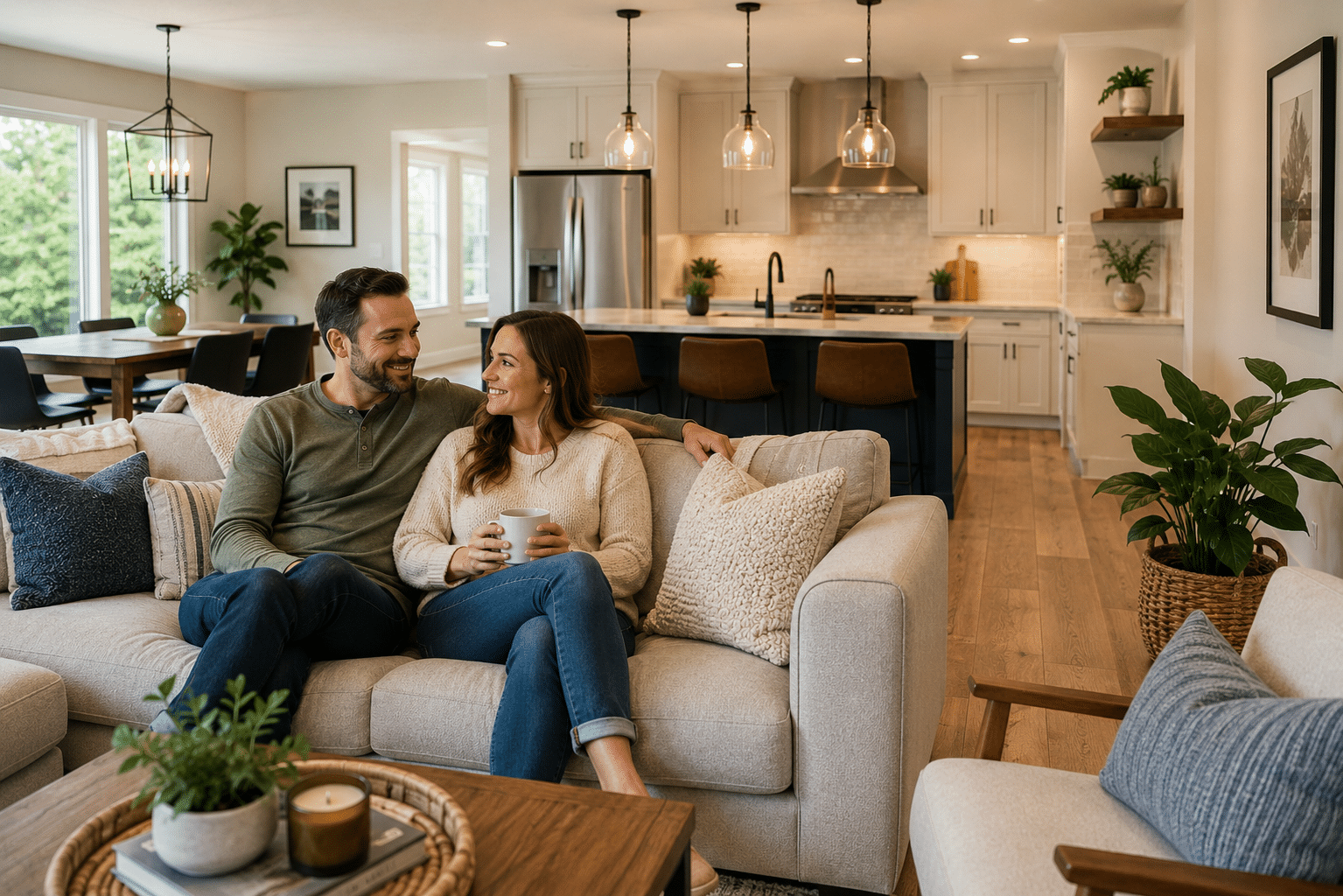
Rooms that see the most daily activity usually provide the greatest benefit when renovated early in the process. Kitchens are a common example. In many homes, the kitchen serves as a central gathering space where cooking, dining, and socializing all happen in one area.
Working with experienced kitchen renovation experts can help homeowners redesign this space to better support everyday routines. Improvements may include better storage, improved lighting, and layouts that allow multiple people to comfortably move through the space.
In addition to functionality, kitchen renovations can also improve how the space connects with surrounding rooms. Open layouts or expanded preparation areas often make it easier for families to spend time together while preparing meals or entertaining guests.
Bathrooms are another high priority area for many households. Morning routines often involve multiple people using these spaces within a short period of time. When layouts are inefficient or storage is limited, daily routines can become frustrating.
Professional bathroom renovation specialists can help transform outdated or inefficient bathrooms into spaces that are easier to navigate and more comfortable to use. Updated layouts, improved lighting, and better storage can significantly improve the experience of using these rooms every day.
Evaluate Underused Areas
Not every renovation focuses on improving rooms that are already used frequently. Some of the most valuable upgrades come from unlocking the potential of spaces that currently serve little purpose.
Basements are one of the most common opportunities for expansion within a home. Many houses include large basement areas that remain unfinished or are used primarily for storage.
With the right planning, these areas can be transformed into valuable living spaces. Experienced basement renovation professionals can help convert basements into family rooms, guest suites, entertainment areas, or home offices.
Transforming underused areas allows homeowners to gain additional living space without expanding the structure of the home. This approach can make the entire property feel larger and more adaptable to changing family needs.
Consider the Flow Between Spaces
When prioritizing renovations, it is also helpful to think about how different areas of the home connect with one another. A renovation that improves one room may also improve the surrounding spaces if the overall layout is carefully considered.
For example, expanding a kitchen may create better connections to the dining area or living room. Finishing a basement may relieve pressure on main floor living spaces by providing an additional area for relaxation or recreation.
Taking a broader view of the home helps ensure that each renovation contributes to an overall improvement in how the space functions. Instead of focusing on isolated projects, homeowners can work toward a home that feels cohesive and comfortable.
Think About Long-Term Usability
Renovations should support not only current needs but also future changes in lifestyle. Families grow, routines shift, and homes often need to adapt to new priorities over time.
Planning with long term usability in mind helps ensure that renovation investments remain valuable for years to come. Flexible spaces, improved storage, and adaptable layouts can help a home respond to future needs without requiring major changes later.
For example, a finished basement may eventually serve as a guest suite or workspace. A larger kitchen may support family gatherings and social events. These kinds of improvements create flexibility that benefits homeowners long after the renovation is complete.
Work With Professionals to Build a Clear Plan
Prioritizing renovations becomes much easier when homeowners have guidance from professionals who understand how renovation projects interact with one another.
Experienced contractors can evaluate the structure, layout, and opportunities within a home to determine which projects should happen first. This ensures that early improvements support later upgrades rather than creating limitations.
Working with an experienced renovation team allows homeowners to develop a coordinated renovation strategy. Instead of approaching improvements one project at a time without a plan, homeowners can move forward with confidence knowing that each step supports the larger vision for their home.
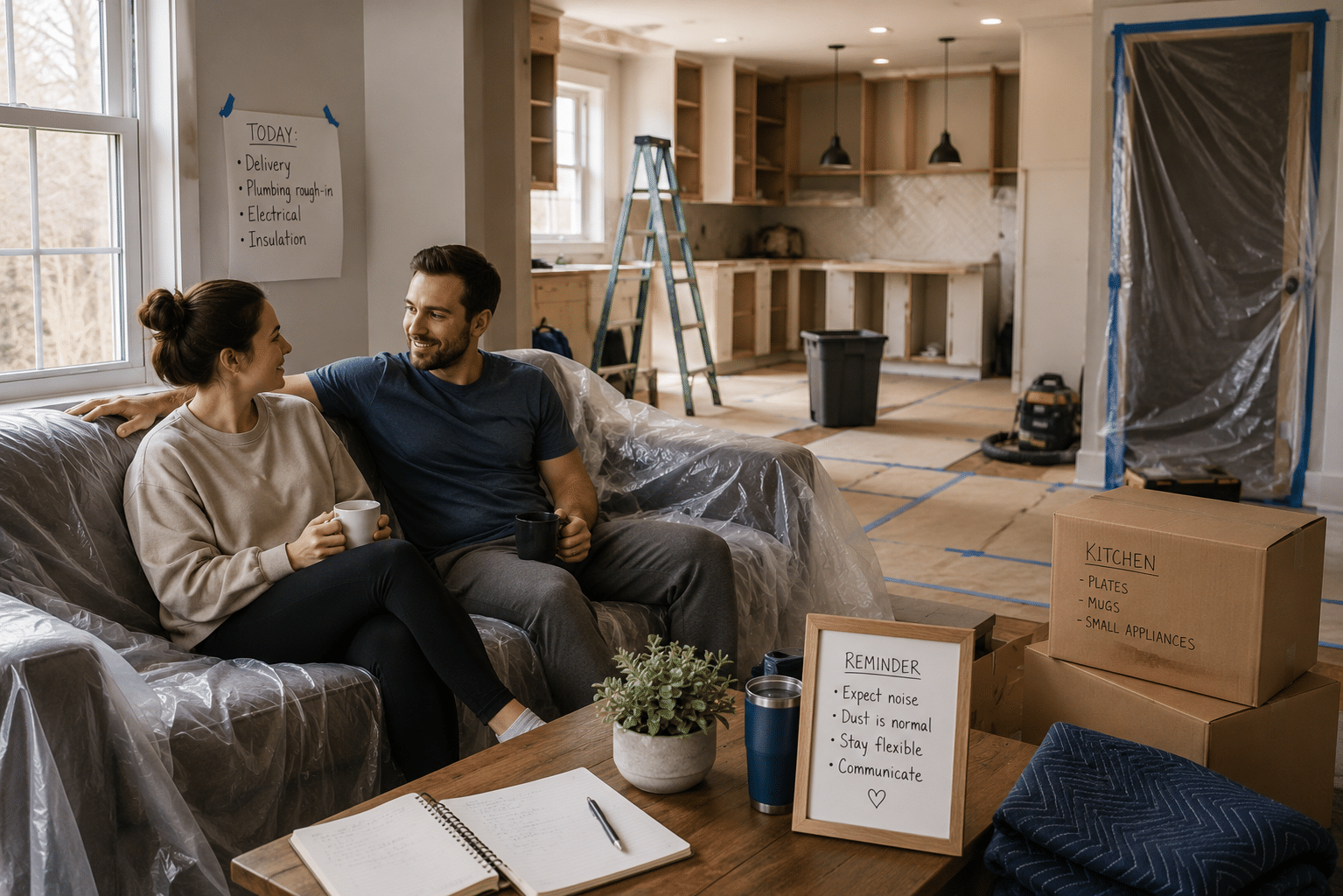
Clear planning also helps minimize disruption. When renovations follow a logical order, the process tends to move more smoothly and efficiently.
Creating a Renovation Roadmap
Once priorities are identified, homeowners can begin building a renovation roadmap that outlines how projects will unfold over time.
This roadmap often starts with the areas that affect daily comfort the most. Kitchens and bathrooms are common starting points because improvements in these spaces provide immediate benefits. From there, renovations may expand into additional areas such as basements or layout improvements that enhance the overall flow of the home.
A thoughtful roadmap also helps homeowners maintain a clear vision for the future of their property. Rather than making isolated updates, each project becomes part of a larger plan designed to improve the usability and comfort of the entire home.
Getting Professional Guidance
If you are unsure where to begin with renovations, professional guidance can help clarify which improvements will provide the greatest impact.
A consultation with Rob’s Quality Construction can help homeowners evaluate their space, identify renovation priorities, and develop a practical plan for updating their home. Their team takes the time to understand how each homeowner uses their space and offers recommendations that support both immediate improvements and long term comfort.
If you are considering updating your home, you can book your free in-home estimate with Rob’s Quality Construction to discuss renovation priorities and explore how thoughtful improvements can help your home better support your lifestyle.
continue reading
Related Posts

Every successful home renovation begins with a plan. While it’s [...]
-
Many homeowners begin renovations focused on immediate goals like updating [...]
-
Starting a renovation is an exciting step for many homeowners, [...]