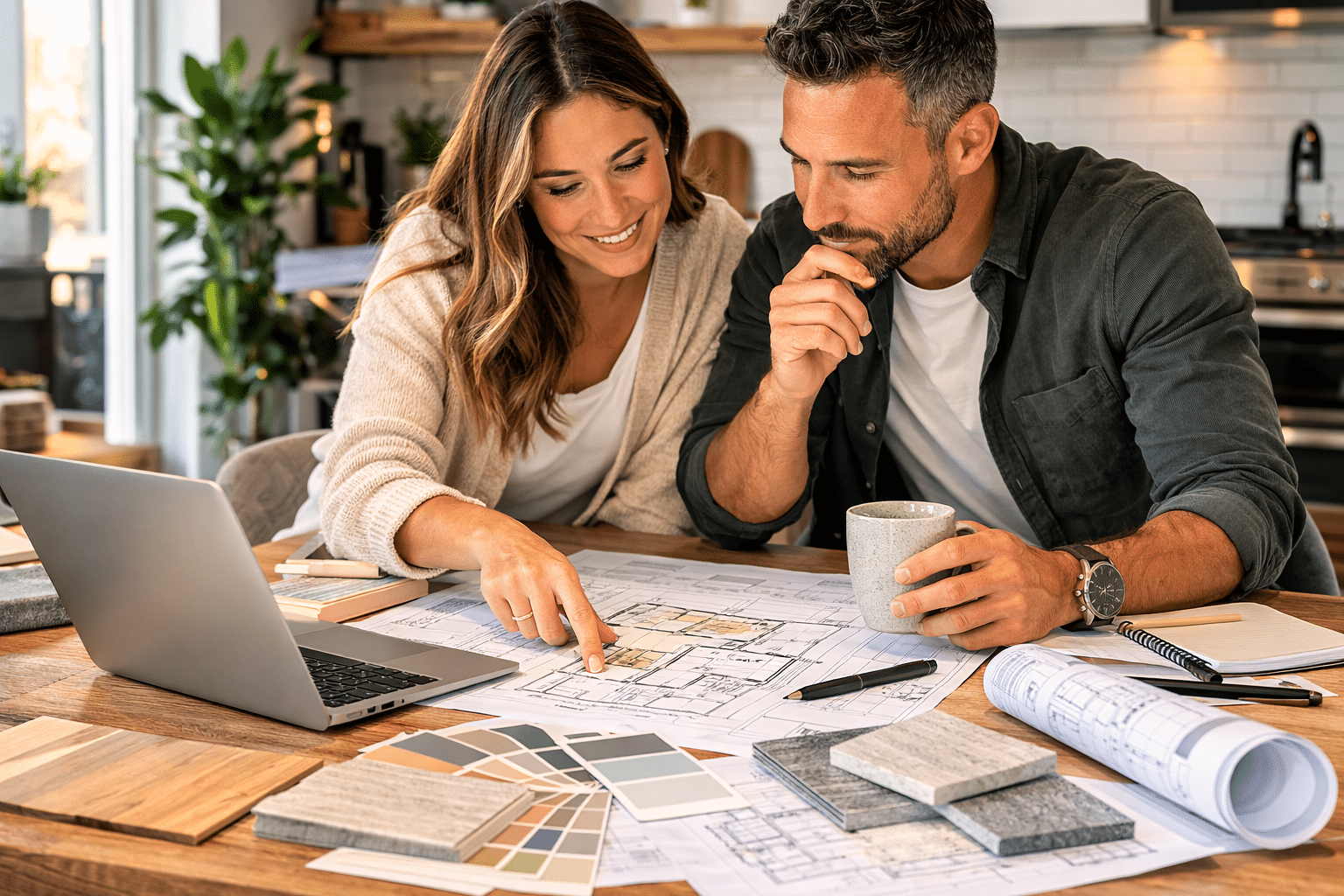
When planning a home renovation, many homeowners focus on styles that look appealing today. However, the most successful renovations are designed with longevity in mind. Spaces that remain functional, comfortable, and visually balanced over time often provide the greatest long term value.
Timeless renovation decisions focus on layout, durability, and practical materials rather than short term trends. By prioritizing design elements that adapt well to changing needs, homeowners can create living spaces that continue to perform well for years. For homeowners working with Rob’s Quality Construction, the goal is often to build spaces that feel modern today while remaining practical well into the future.
Start With a Strong Interior Layout
One of the most important elements of a renovation that ages well is the layout of the home. While finishes and decor may change over time, the structure of a space has a lasting influence on how comfortable and usable it feels.
Many older homes were built with smaller, separated rooms that limit natural light and reduce the connection between living areas. Renovations that improve the overall layout can create a more open and adaptable living environment.
Projects involving interior home renovation services often focus on improving the flow between rooms. This may involve repositioning walls, opening up sightlines, or adjusting the placement of key living areas.
When the interior layout supports natural movement and shared living spaces, the home becomes easier to adapt as family routines evolve. A well planned layout remains valuable regardless of changing furniture styles or decorative preferences.
Choose Materials That Stand the Test of Time
Material selection has a major impact on how well a renovation holds up over the years. Surfaces that balance durability with simple design tend to maintain their appearance longer and require less maintenance.
Natural materials such as wood, stone, and neutral tile finishes often work well in modern renovations because they complement a wide range of design styles. These materials can easily adapt to changing trends without requiring major updates.
In kitchens, durable surfaces are especially important because the space experiences constant daily use. Working with experienced kitchen renovation experts can help homeowners select cabinetry, countertops, and flooring materials that remain both functional and visually balanced over time.
Thoughtful material choices reduce the likelihood that homeowners will need to replace surfaces prematurely due to wear or shifting design trends.
Design Kitchens for Long-Term Functionality
Kitchens are often the most active rooms in a home. Because they support cooking, socializing, and family gatherings, kitchen renovations should focus heavily on practical design.
A kitchen that ages well prioritizes efficient layouts, generous storage, and durable materials. Islands, well organized cabinets, and flexible preparation areas can support everyday use while also adapting to future needs.
Neutral cabinetry and balanced color palettes are also common features of kitchens that remain visually appealing over time. Instead of following highly specialized design trends, homeowners often benefit from designs that emphasize simplicity and functionality.
When kitchens are planned with usability in mind, they continue to feel comfortable and relevant long after the renovation is complete.
Create Bathrooms That Support Comfort
Bathrooms are another area where long term design decisions matter. Because these spaces are used daily, renovations should emphasize comfort, accessibility, and efficient organization.
Clean layouts, well placed lighting, and durable surfaces help bathrooms remain practical over many years. Storage solutions such as built in cabinets or thoughtfully placed shelving can also improve everyday convenience.
Professional bathroom renovation specialists often guide homeowners toward design choices that balance appearance with usability. For example, larger showers, improved lighting, and comfortable spacing between fixtures can make bathrooms easier to use over time.
A bathroom that feels spacious, organized, and well lit tends to remain enjoyable long after the renovation is completed.
Use Basements to Expand Flexible Living Space
Another design strategy that ages well is maximizing the full potential of the home’s available space. Underused areas can often be transformed into flexible living environments that adapt as family needs change.
Basements are one of the most common opportunities for this type of renovation. Many homes include basements that are unfinished or used mainly for storage.
With the help of experienced basement renovation professionals, these spaces can be converted into comfortable living areas such as family rooms, guest suites, or home offices.
Creating additional flexible space helps homeowners adapt to lifestyle changes without requiring future structural renovations. A finished basement can serve multiple purposes over time, which increases the overall usability of the home.
Avoid Designs That Rely on Short-Term Trends
Design trends naturally evolve over time. Renovations that depend heavily on temporary trends may begin to feel outdated sooner than expected.
This does not mean that modern design elements should be avoided entirely. Instead, homeowners often benefit from balancing contemporary touches with more timeless structural elements.
Neutral color palettes, durable materials, and simple design lines tend to remain visually appealing longer than highly specialized styles. Decorative elements such as paint, lighting fixtures, and accessories can always be updated later without requiring major construction.
By focusing on timeless structural features, homeowners can maintain flexibility in how their home evolves over time.
Work With Professionals Who Focus on Long-Term Value
Renovations that age well are usually the result of careful planning and experienced design guidance. Professional renovation teams understand how layout decisions, materials, and functionality interact to create spaces that remain comfortable and practical.
Working with an experienced renovation team helps homeowners evaluate design choices through a long term perspective. Rather than focusing only on appearance, professionals consider how the home will function for years to come.
This approach helps prevent costly redesigns later and ensures that each renovation decision supports both current and future needs.
Planning a Renovation That Lasts
When homeowners focus on durability, thoughtful layouts, and practical materials, the result is a home that continues to perform well long after the renovation is complete. These design decisions create living spaces that remain comfortable, adaptable, and visually balanced.
If you are planning a renovation and want guidance on design choices that will stand the test of time, the team at Rob’s Quality Construction can help evaluate your home and discuss renovation strategies that support long term usability.
You can book your free in-home estimate to explore how thoughtful renovation planning can create spaces that remain functional and attractive for years to come.
continue reading
Related Posts

Homes are designed to support daily routines, but over time [...]
-
For many homeowners, there comes a point when the house [...]
-
Updating a home can be exciting, but it can also [...]