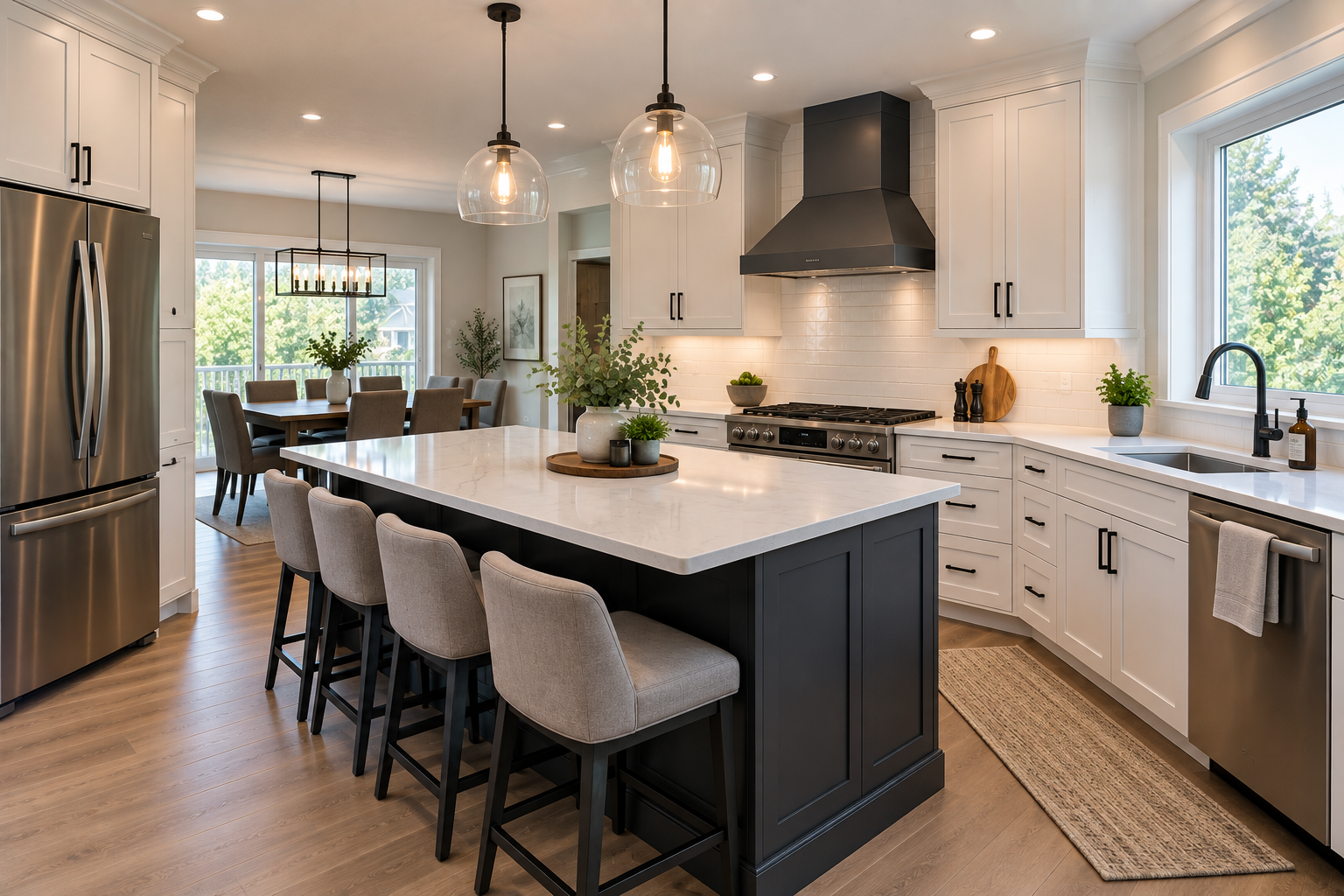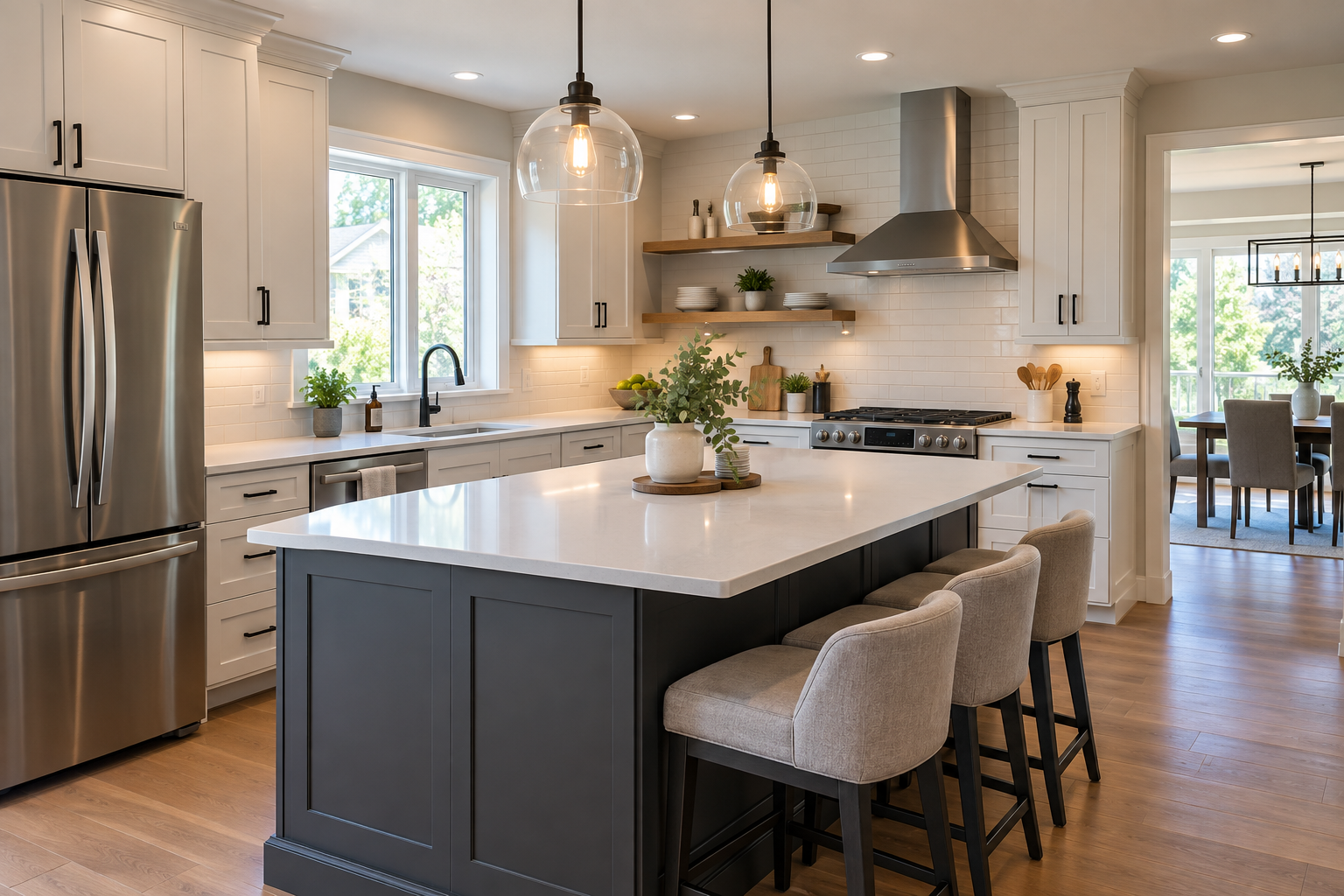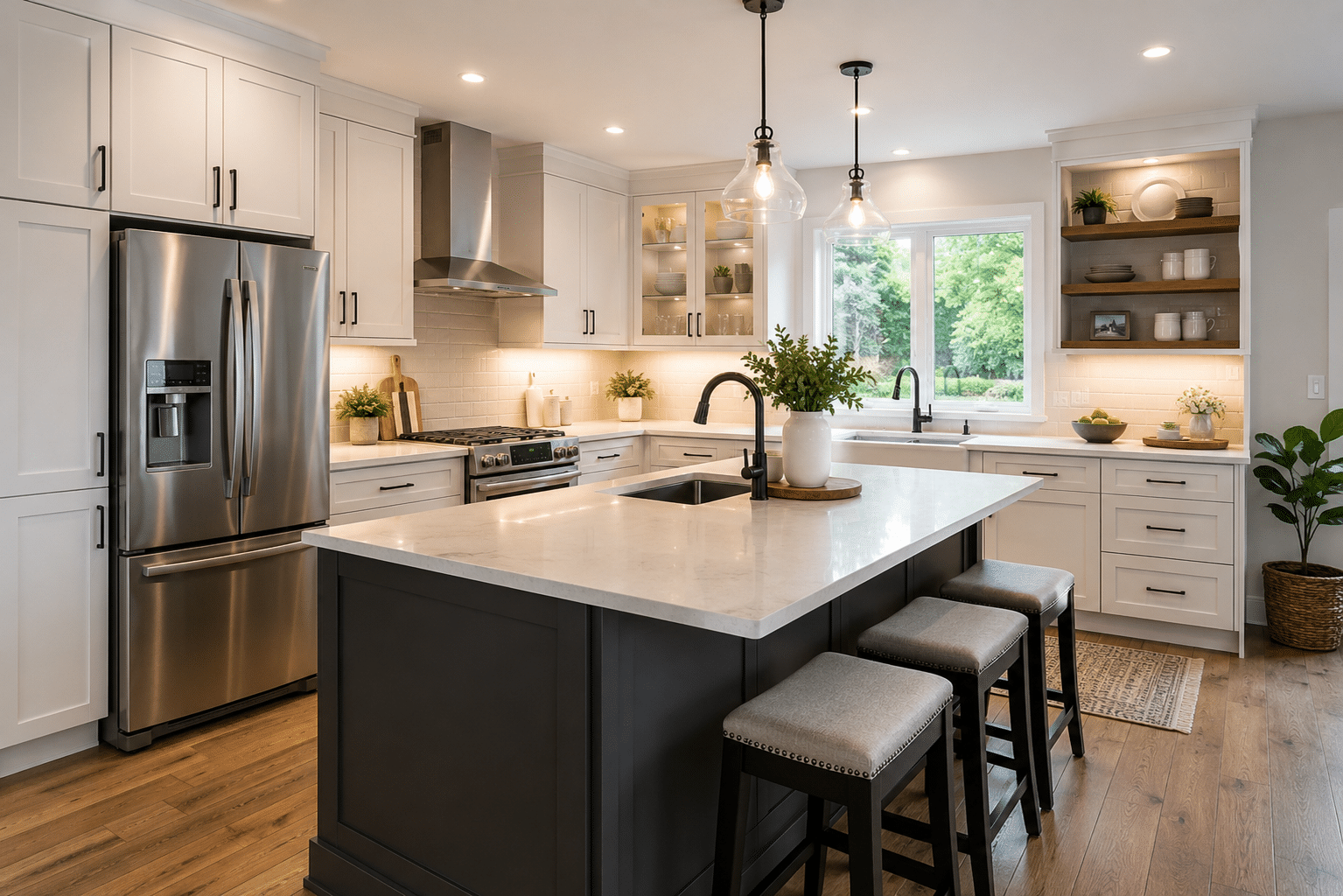
A kitchen renovation is one of the most impactful improvements a homeowner can make. It has the potential to improve daily routines, increase comfort, and create a space that better supports the needs of the household. However, achieving those results depends heavily on the planning process.
Many renovation challenges are not caused by construction issues. Instead, they stem from decisions made before work even begins. Thoughtful planning helps ensure the finished kitchen not only looks appealing but also functions effectively for years to come.
By understanding a few common mistakes, homeowners can make more informed decisions and create a kitchen that delivers lasting value and usability.
Prioritizing Appearance Over Functionality
One of the most common planning mistakes is focusing primarily on visual elements while giving less attention to how the kitchen will function on a daily basis.
It is easy to become excited about cabinet styles, countertop materials, lighting fixtures, and design inspiration found online. While these details contribute to the overall appearance of the space, they should support functionality rather than dictate the design.
A kitchen is one of the most frequently used areas of the home. Preparing meals, cleaning, storing food, entertaining guests, and managing daily household activities all place demands on the space. If the layout does not support those activities efficiently, even the most attractive kitchen can become frustrating to use.
Homeowners considering professional kitchen renovation services often benefit from evaluating how they use their kitchen before selecting finishes and design features. Understanding daily habits can help guide decisions that balance beauty with practicality.
Underestimating Storage Requirements
Storage plays a major role in the overall functionality of a kitchen, yet it is often overlooked during the planning stage.
Many homeowners assume that new cabinetry will automatically solve storage problems. In reality, replacing cabinets without assessing actual storage needs can lead to the same frustrations that existed before the renovation.
Kitchen storage should be planned around the items that need to be stored and how frequently those items are used. Everyday cookware, pantry items, dishes, small appliances, cleaning supplies, and recycling containers all require designated space.
When storage is insufficient or poorly organized, countertops can quickly become cluttered. This not only affects appearance but also reduces usable workspace.
Taking inventory of current storage challenges before finalizing a renovation plan can help identify opportunities for more efficient cabinet layouts, pantry solutions, and organizational features that improve everyday convenience.
Ignoring Workflow and Movement Patterns
A kitchen should support natural movement between work areas.
One of the most important planning considerations is how people move through the space while preparing meals, unloading groceries, cleaning, and interacting with family members.
Poor workflow can create unnecessary obstacles. Appliances may be positioned too far apart, preparation areas may be undersized, or traffic patterns may interfere with cooking activities.
An effective kitchen layout considers the relationship between storage, preparation, cooking, and cleanup zones. When these areas are thoughtfully arranged, daily tasks become more efficient and comfortable.
This same planning philosophy is valuable during broader whole-home renovation planning projects, where multiple spaces need to work together cohesively and support the overall lifestyle of the household.
Following Trends Without Considering Daily Use
Design trends can be a helpful source of inspiration, but they should not become the primary driver of renovation decisions.
Features that appear attractive in magazines, social media posts, or design showcases may not always align with practical day-to-day living. What works well in one home may not be the right solution for another.
For example, open shelving can create a clean and modern appearance, but it also requires ongoing organization and maintenance. Large islands may look impressive, yet they need to fit comfortably within the available space. Certain materials or finishes may be visually appealing while requiring more upkeep than some homeowners expect.
Rather than asking what is popular right now, homeowners should focus on what will continue to serve their needs years from now.
The most successful renovations are based on lifestyle requirements, cooking habits, family routines, and long-term usability. Timeless functionality often delivers greater satisfaction than chasing short-lived design trends.
Failing to Consider Future Needs
A kitchen renovation is typically intended to provide value for many years. Because of that, it is important to think beyond immediate needs.
Households change over time. Families may grow, children may become more independent, entertaining habits may evolve, and accessibility needs can shift. Planning solely for current circumstances may limit the usefulness of the kitchen in the future.
Considering future needs does not require predicting every life change. Instead, it involves creating a flexible design that can adapt as circumstances evolve.
Features such as accessible storage, durable materials, adaptable layouts, and sufficient workspace can help ensure the kitchen remains functional over the long term.
The same forward-thinking approach can benefit homeowners considering complementary projects such as bathroom remodeling solutions, helping create a home that continues to meet changing needs over time.
Making Decisions Too Quickly
Another common mistake is rushing through important planning decisions.
Kitchen renovations involve countless choices, including layouts, materials, fixtures, finishes, storage configurations, and lighting solutions. Making decisions without fully evaluating the long-term impact can lead to regret after the project is complete.
Homeowners often benefit from taking additional time to review options, ask questions, and consider how each decision supports their goals for the space.
A thoughtful planning process helps reduce uncertainty and increases confidence in the final design.
Not Seeking Experienced Guidance Early
Many planning challenges can be avoided by involving experienced renovation professionals early in the process.
Professional insight can help identify potential issues before construction begins and provide practical recommendations based on real-world experience. This can be especially valuable when evaluating layout options, storage strategies, workflow improvements, and design priorities.
An experienced renovation team can often identify opportunities that homeowners may not have considered on their own, helping create a more functional and enjoyable finished result.
Homeowners interested in learning more about completed projects and customer experiences can review the Rob’s Quality Construction HomeStars profile.
Planning for Long-Term Success
A successful kitchen renovation involves much more than selecting attractive finishes. The planning process should focus on how the space will function today and how it will continue to support the household in the years ahead.
By avoiding common mistakes such as prioritizing appearance over usability, overlooking storage needs, neglecting workflow, following trends without considering daily habits, and failing to plan for future requirements, homeowners can make more informed renovation decisions.
Thoughtful preparation creates a stronger foundation for a kitchen that is both beautiful and practical. If you are considering a renovation project, now is the ideal time to book your free in-home estimate and begin planning a space designed around the way you live.
continue reading
Related Posts

Once you decide that your kitchen needs more than a [...]
-
A kitchen can look perfectly acceptable and still be frustrating [...]

A kitchen renovation is one of the most valuable investments [...]