Planning a home renovation can feel exciting at the beginning, but many homeowners underestimate how much preparation and decision-making influence the final outcome. Small oversights during the planning stage often lead to delays, frustration, or long-term regret after the work is complete.
The good news is that many common renovation mistakes are preventable with proper planning, realistic expectations, and strong communication. Whether you are updating a single room or exploring whole-home renovation planning, understanding potential challenges ahead of time can help create a smoother and more successful renovation experience.
Starting Without a Fully Defined Plan
One of the most common mistakes homeowners make is beginning renovations before fully defining the project scope. Renovations involve many connected decisions, including layouts, materials, timelines, budgets, and scheduling.
Without a clear plan, homeowners often find themselves making rushed decisions during construction. This can lead to unnecessary stress, scheduling delays, or changes that affect the overall flow of the project.
Creating a detailed renovation plan before demolition begins helps contractors coordinate materials, trades, and timelines more efficiently. Homeowners who invest time in planning usually experience fewer disruptions and feel more confident throughout the renovation process.
It is also important to identify priorities early. Some homeowners focus heavily on visual upgrades while overlooking practical concerns such as storage, lighting, or room functionality. Defining both aesthetic and functional goals ahead of time creates a stronger foundation for decision-making later.
Focusing Too Much on Trends
Design inspiration is easier than ever to access online, but trends do not always translate well into everyday living. Some homeowners become heavily focused on appearance without considering how the space will function long term.
A renovation should balance visual appeal with comfort, storage, durability, and practicality. Features that look attractive in photos may not always suit the routines and lifestyle needs of the household using the space every day.
For homeowners researching custom kitchen upgrade ideas, functionality should remain just as important as design style. Workflow, appliance placement, countertop space, storage access, and lighting all contribute significantly to how usable the kitchen feels after completion.
Timeless layouts and durable materials often provide better long-term satisfaction than highly trend-focused choices. Homeowners who prioritize function alongside appearance are less likely to regret design decisions later.
Underestimating Storage Requirements
Storage is one of the most overlooked parts of renovation planning. Many homeowners focus on open layouts and clean visual design while underestimating how much storage they actually need.
Insufficient storage can quickly make newly renovated spaces feel cluttered and inefficient. Kitchens, bathrooms, entryways, and laundry areas especially benefit from thoughtful storage planning.
Custom cabinetry, built-in shelving, and hidden storage solutions can help maximize functionality without compromising appearance. During the planning stage, homeowners should think realistically about daily routines, household items, and long-term organizational needs.
Small storage frustrations often become much more noticeable after construction is complete, which is why careful planning early in the process is so important.
Making Last-Minute Design Changes
Changing layouts, finishes, or material selections after construction begins is another common renovation mistake. While some adjustments are unavoidable, repeated design changes can affect timelines, coordination, and scheduling.
Late changes may also create additional costs if completed work must be modified or redone. Homeowners who finalize major decisions early typically experience smoother project progression and fewer interruptions during construction.
This is especially important for projects involving bathroom remodeling solutions, where plumbing locations, waterproofing systems, tile layouts, and fixture selections all require detailed coordination before installation begins.
Keeping decisions organized before work starts allows contractors to order materials properly and schedule trades more efficiently.
Ignoring Lighting and Daily Functionality
Lighting has a major impact on how comfortable and functional a renovated space feels, yet many homeowners underestimate its importance during planning.
Natural light, overhead lighting, task lighting, and accent lighting all contribute to the usability of a room. Poor lighting decisions can make even beautifully designed spaces feel impractical or uncomfortable.
It is also important to think carefully about daily movement throughout the home. Furniture placement, traffic flow, outlet locations, and accessibility all affect how well a renovation supports everyday routines.
A visually appealing renovation may not feel successful if the space becomes inconvenient to use. Homeowners who focus on long-term functionality alongside appearance are more likely to remain satisfied with the final result.
Setting Unrealistic Expectations
Television renovation shows and online content often create unrealistic expectations about how quickly projects can be completed. In reality, quality renovations require planning, coordination, inspections, skilled trades, and attention to detail.
Unexpected conditions inside walls, product lead times, and inspection scheduling can all influence timelines during construction. Older homes especially may reveal plumbing, electrical, or structural concerns once demolition begins.
Homeowners who approach renovations with flexibility and realistic expectations usually experience less stress throughout the project. Understanding that temporary inconvenience is part of achieving long-term improvements helps maintain perspective during construction.
It is also important to recognize that progress may not always appear dramatic every day. Certain phases of construction focus heavily on behind-the-scenes work that is critical to the long-term quality and durability of the renovation.
Choosing Contractors Based Only on Price
Budgeting is naturally an important part of renovation planning, but choosing a contractor based only on the lowest estimate can sometimes create larger problems later.
Renovations involve more than material costs alone. Communication, organization, scheduling, workmanship, transparency, and project management all contribute significantly to the overall experience and final outcome.
Homeowners should look for contractors who provide clear communication, realistic timelines, organized planning, and professional guidance throughout the process. A renovation company’s experience and approach often affect homeowner satisfaction just as much as the finished design itself.
Reviewing Rob’s Quality Construction’s HomeStars profile can provide additional insight into how previous clients experienced communication, professionalism, and overall project management during their renovations.
Failing to Prepare for Daily Disruption
Even smaller renovation projects can temporarily disrupt normal routines. Noise, dust, deliveries, and limited room access are all common parts of the construction process.
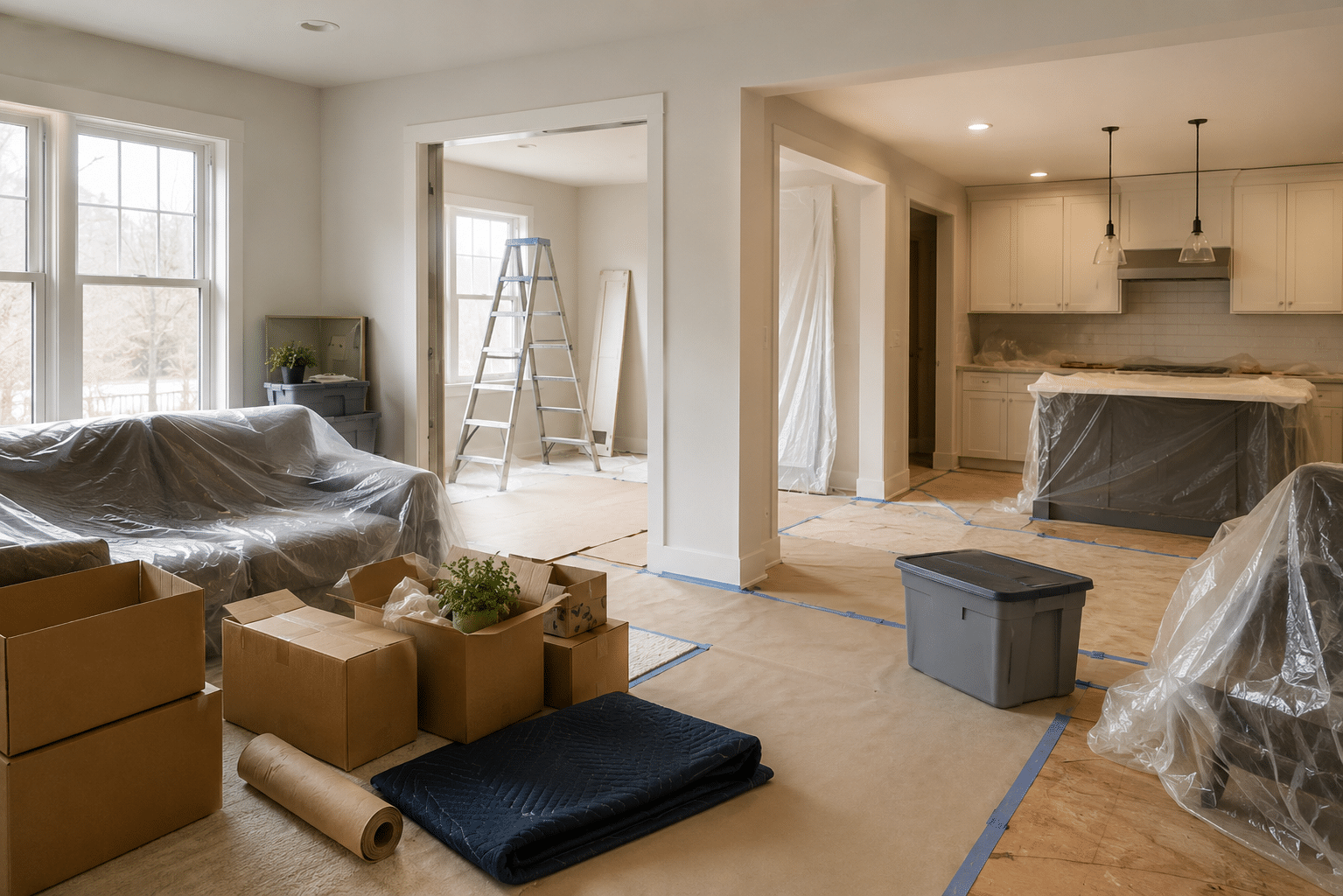
Some homeowners underestimate how much preparation can improve the renovation experience. Organizing belongings, protecting nearby spaces, and planning temporary routines ahead of time can significantly reduce stress during active construction.
Families working from home, households with children, and pet owners may also need additional planning considerations before work begins. Preparing for these temporary disruptions helps projects feel more manageable once construction starts.
Proper Planning Helps Prevent Common Problems
Most renovation mistakes happen long before construction begins. Rushed decisions, unclear expectations, poor communication, and unrealistic assumptions often create unnecessary stress during the renovation process.
Homeowners who invest time in planning, ask questions early, and focus on long-term functionality usually feel more confident throughout their projects. Careful preparation allows renovations to progress more smoothly while reducing avoidable frustrations and costly changes later.
If you are planning an upcoming renovation, you can book your free in-home estimate to discuss your goals, project expectations, and renovation plans with the Rob’s Quality Construction team.
continue reading
Related Posts

Many homeowners begin renovations focused on immediate goals like updating [...]
-
Starting a renovation is an exciting step for many homeowners, [...]
-
Starting a home renovation is exciting, but many homeowners underestimate [...]