When several areas of a home need improvement, deciding where to start can be difficult. The kitchen may feel inefficient, a bathroom may no longer work well for the household, and an unfinished basement may represent valuable space that is barely being used.
There is no single renovation that should always come first. A better approach is to identify which project would solve the most meaningful problem for the way the household currently uses the home.
That means comparing the kitchen, bathroom and basement based on function, frequency of use and household needs rather than assuming one type of renovation automatically deserves priority.
Start With the Space Creating the Most Daily Frustration
Before comparing individual projects, consider what repeatedly causes inconvenience.
Is preparing meals difficult because the kitchen lacks storage or useful work surfaces? Does a bathroom create problems during busy morning routines? Is the main floor crowded because the basement provides little usable living space?
Frequency matters. A problem experienced several times every day may reasonably become a higher priority than a space that is inconvenient only occasionally.
It can also help to identify the difference between something you would like to change and something that interferes with how the home functions. Both can be valid reasons to renovate, but functional problems often provide a clearer starting point when several projects are competing for attention.
When Renovating the Kitchen First Makes Sense
The kitchen can be a strong first priority when its current layout interferes with everyday activities.
Limited counter space, inadequate storage, poor circulation or an awkward relationship between cooking and dining areas can affect the household throughout the day. If these problems consistently make preparing meals, organizing groceries or gathering difficult, exploring kitchen renovation options may be the logical starting point.
Consider how many different activities happen in the kitchen. Beyond preparing meals, it may be a place for morning routines, conversations, homework, entertaining and household organization. Problems with the layout can therefore affect more than cooking.
The key is functionality rather than appearance alone. A kitchen can have older finishes while still working reasonably well. Another kitchen may look acceptable but create daily frustration because important work areas, storage and circulation do not support how the household uses the room.
When the functional problems are significant and frequent, renovating the kitchen first can address an area that influences much of everyday life.
When the Bathroom Should Become the Priority
A bathroom may deserve attention first when its layout, storage or usability no longer meets household needs.
This can become especially noticeable when several people rely on the same bathroom during busy parts of the day. Limited storage, awkward fixture placement or a layout that makes the room difficult to use can have an outsized effect despite the bathroom’s relatively small footprint.
Reviewing bathroom renovation options can help homeowners think beyond surface-level updates and consider how the room could function more effectively.
The frequency of use should again be part of the decision. A primary bathroom used every morning and evening may reasonably take priority when its limitations affect the household every day.
Consider whether the problem is mainly cosmetic or functional. Finishes that no longer suit personal preferences may be worth changing eventually, but inadequate storage or an inconvenient layout may provide a stronger reason to move the bathroom higher on the renovation list.
When the Basement Presents the Greatest Opportunity
Sometimes the kitchen and bathroom already function reasonably well, but the household simply needs more usable space.
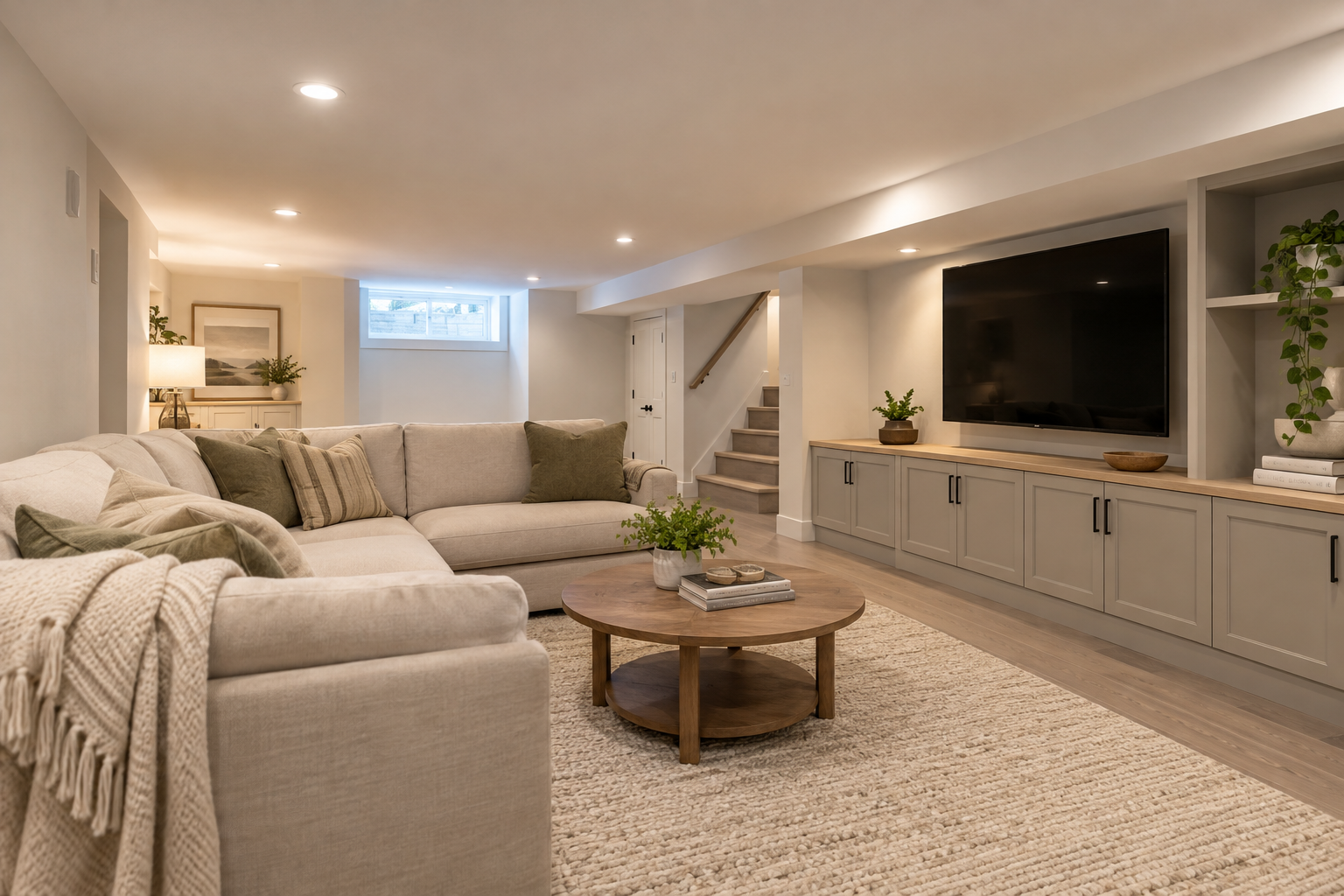
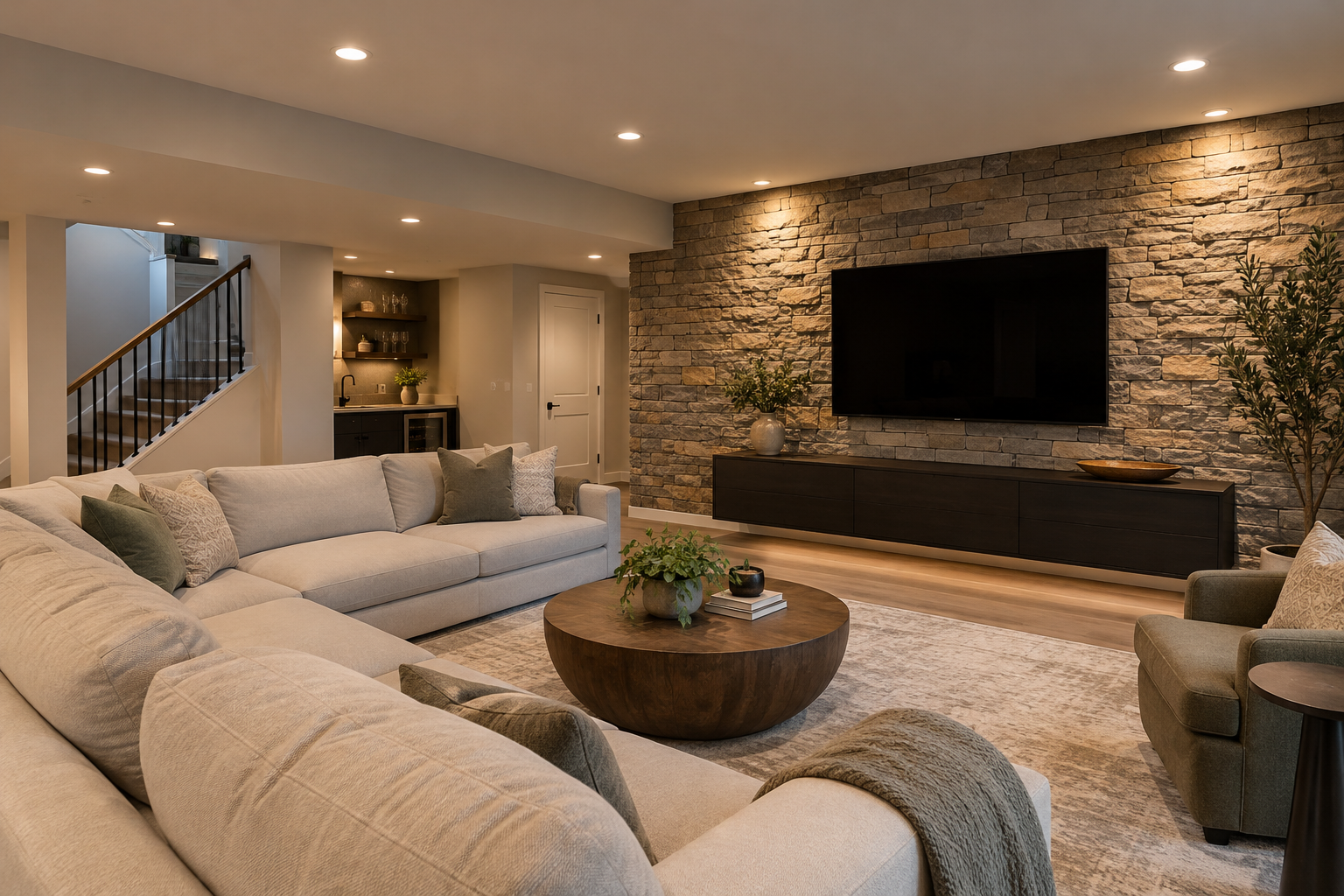
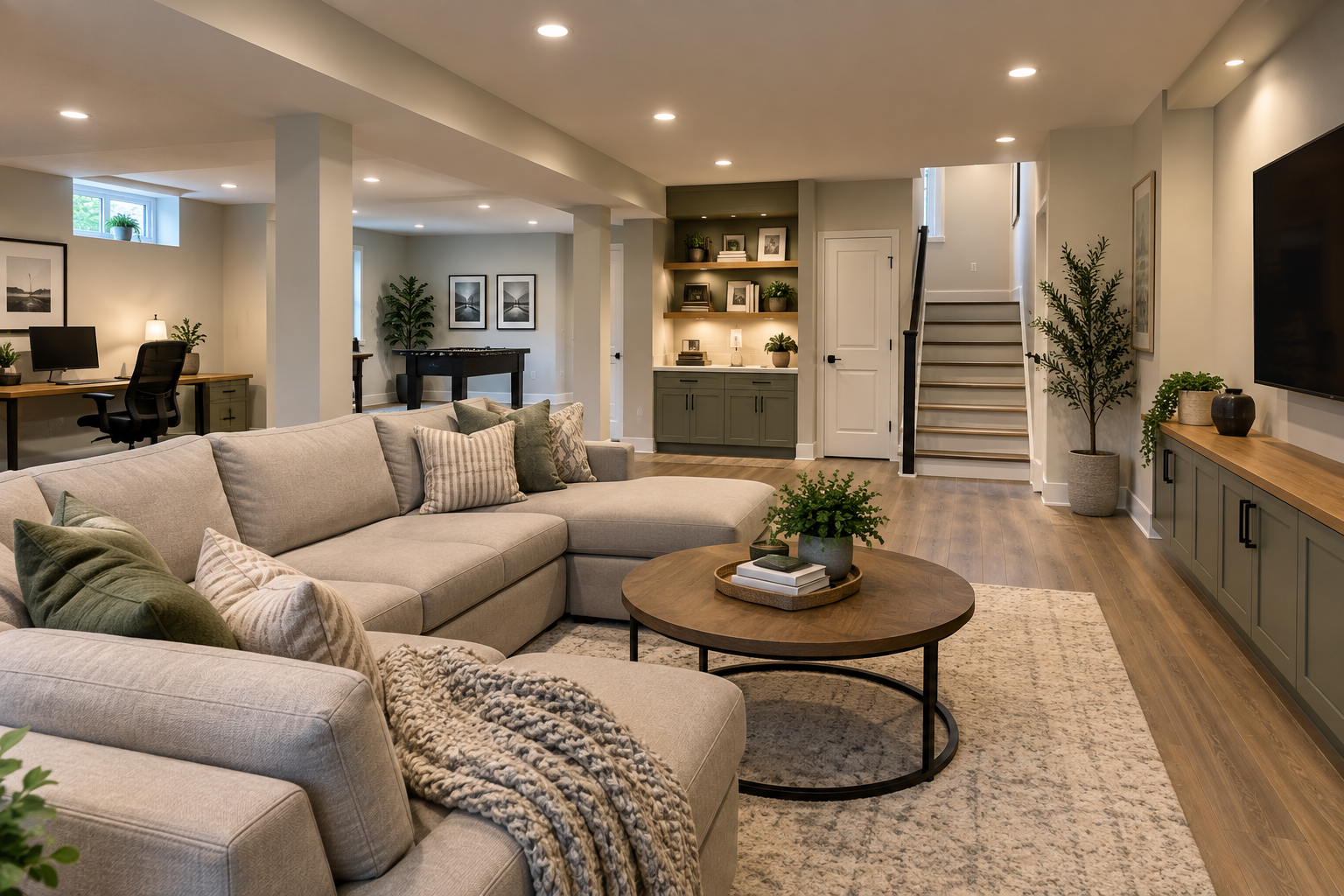
An unfinished or underused basement presents a different type of renovation opportunity. Instead of improving an existing everyday room, the project may create space for family activities, working from home, storage, hobbies or several compatible uses.
In that situation, basement renovation options may have the greatest practical impact because the renovation expands how much of the existing home can support daily life.
This distinction is useful when comparing priorities. A kitchen or bathroom renovation generally improves a space the household already relies on. A basement renovation may allow an area that currently contributes very little to become part of the home’s regular living environment.
For a household that feels crowded upstairs, that additional flexibility may solve a more important problem than updating a kitchen or bathroom that already works adequately.
Consider How Frequently Each Space Is Used
Frequency of use provides a practical way to compare renovation priorities, but it should not be considered alone.
A kitchen and bathroom may be used every day, while a finished basement could potentially absorb activities currently placing pressure on several rooms upstairs. The question is not simply which room receives the most foot traffic. It is which renovation would meaningfully improve how the household functions.
Think through a typical weekday and weekend. Notice where people encounter storage problems, compete for space, change their routines because a room does not work well or avoid an area because it has limited usefulness.
These patterns can reveal priorities that are less obvious when focusing only on how each room looks.
Look at Functionality Before Cosmetic Preferences
When comparing the three projects, it helps to separate functional problems from cosmetic preferences.
Finishes influence how homeowners feel about a room, but appearance alone may not identify the project that should come first. A bathroom with older finishes may still function well, while an underused basement could solve a pressing need for additional family space.
Likewise, replacing kitchen finishes may be less important than improving a bathroom that causes daily scheduling problems.
This does not mean appearance is unimportant. Renovations can improve both function and aesthetics. The point is to determine which underlying problem deserves attention before deciding where new finishes would have the greatest visual impact.
Consider Current and Future Household Needs
Renovation priorities can change as a household changes.
Working from home may create a need for a quieter office area. Children may require more recreation or study space as they grow. Storage needs may increase, or an existing bathroom arrangement may become less practical as daily routines change.
Homeowners do not need to predict every future circumstance. However, considering likely changes can help distinguish between a short-term preference and a renovation that will support the household more broadly.
A basement may become a higher priority if it can provide flexible space for several future uses. A kitchen may remain the better starting point if its layout already creates significant daily problems that are unlikely to disappear.
Improving Existing Space vs. Creating Usable Space
One of the clearest differences between these three renovation categories is what the project accomplishes.
Kitchen and bathroom renovations typically improve spaces that already have established roles within the home. The goal may be better storage, circulation, usability or a layout that better reflects current routines.
A basement renovation can be different because an unfinished or substantially underused lower level may not currently function as everyday living space at all.
This comparison can help homeowners clarify their priorities. Ask whether the household needs existing essential rooms to work better or whether the greater need is additional space for activities that do not currently have an appropriate place.
Think About How One Project May Affect Another
Even when projects will be completed separately, renovation priorities should account for broader plans for the home.
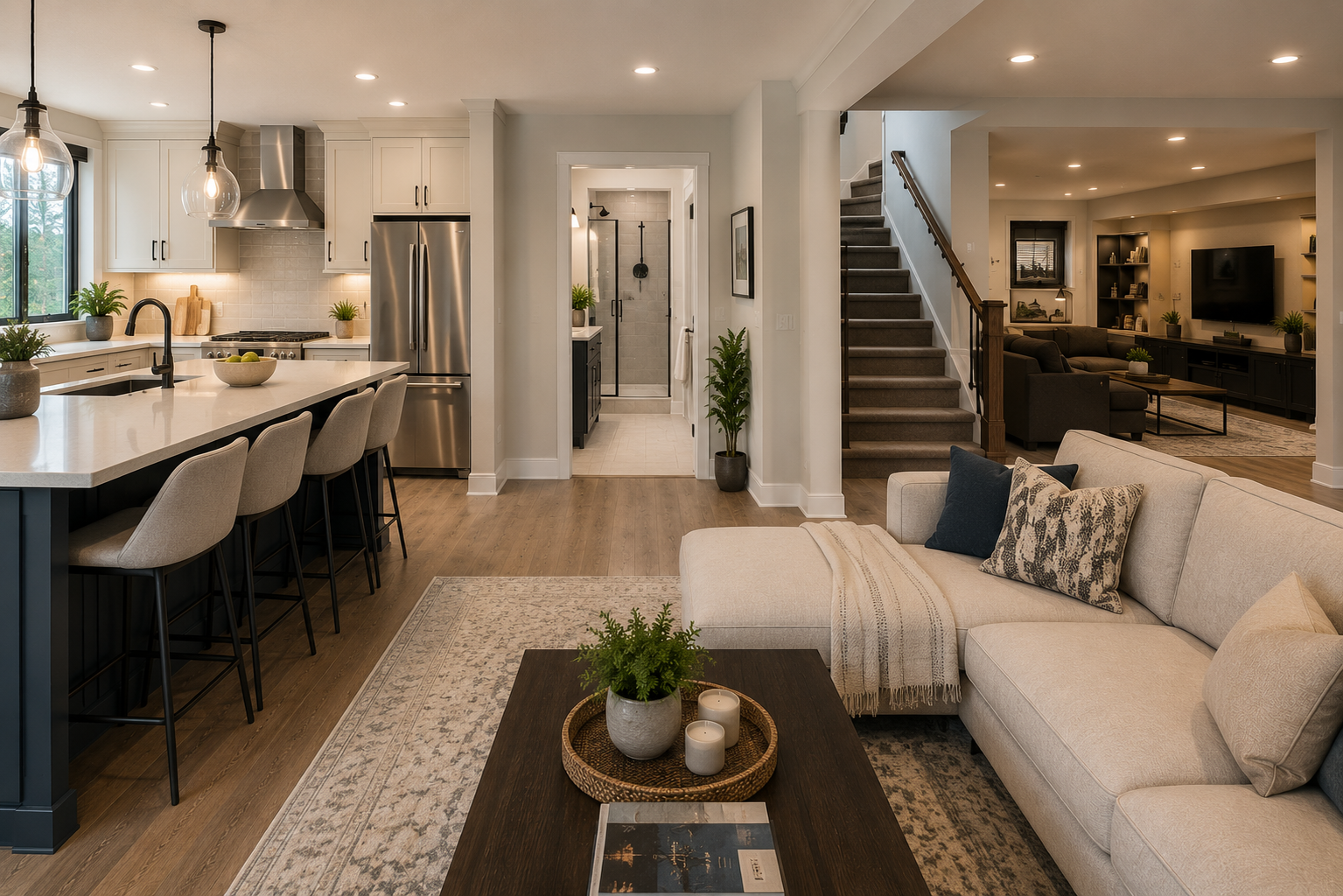
A kitchen renovation may influence adjoining dining or living areas. A basement renovation could create a family room or office that changes how the main floor is used. Future plans for an interior renovation may also affect decisions about how the kitchen connects with surrounding spaces.
Rob’s Quality Construction works across kitchen, bathroom, basement and interior renovations, allowing homeowners to consider how individual projects fit into their broader plans for the home.
Looking at those relationships does not mean every renovation needs to happen together. It simply helps homeowners avoid making one decision without considering how it could influence a future project.
Develop Priorities Before Trying to Renovate Everything
When several areas need improvement, it can be useful to rank projects according to the problems they solve.
Start with daily function. Then consider frequency of use, current household needs, future flexibility and how each project relates to broader plans for the home.
If the kitchen disrupts cooking, storage and gathering, it may belong first. If the bathroom creates repeated usability problems, that may be the priority. If the existing main-floor rooms work reasonably well but the household needs more usable living space, the basement may offer the clearest opportunity.
The best renovation to start with is the one that solves the most meaningful problem for the way the household currently uses the home. Homeowners who are still deciding which project deserves priority can contact Rob’s Quality Construction and request a free in-home estimate to discuss their renovation goals and determine where improvements could make the greatest difference.
continue reading
Related Posts

A basement can offer valuable additional living space, but limited [...]
-
Finished basement walls do not all need to look the [...]
-
An unfinished or underused basement can create an obvious question: [...]